Commercial solutions
Access Control Systems
Card and fob access, biometric readers, keypads and electric locks from HID, Suprema, Rosslare, Paradox and Idemia - genuine stock for new installs, upgrades and multi-site rollouts, ready to ship Australia-wide.
What's in stock
- HID, Suprema, Rosslare, Paradox and Idemia hardware
- Card and fob credentials, biometric terminals, keypads and locks
- Genuine stock with Australian warranty
Access Control Systems categories
Compare the available product types. See the guide

Popular access control products
Real stock, ready to ship.
-
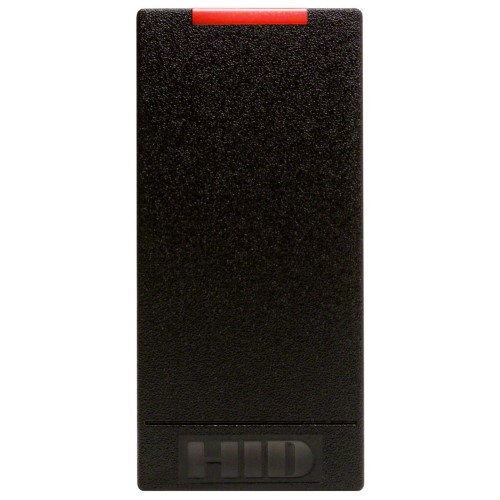
HID R10
HID's iCLASS SE mullion reader - a compact high-frequency reader for narrow door frames and existing iCLASS SE credentials.
From $124.16 (inc. GST) -
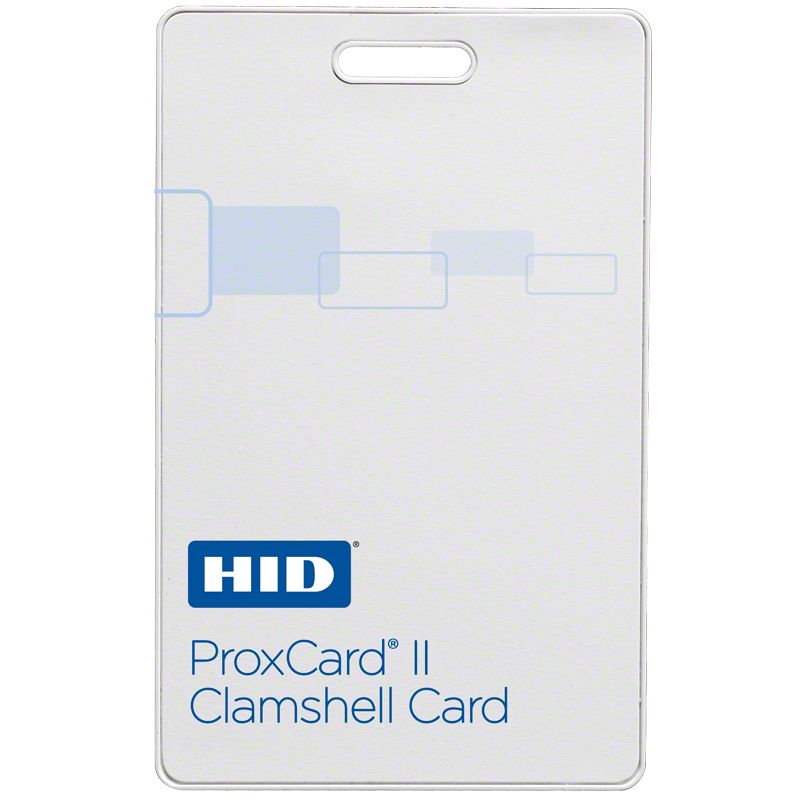
HID 1326 ProxCard II
HID's original 125kHz proximity card - one of the most common credential formats in existing access control installations.
From $4.52 (inc. GST) -
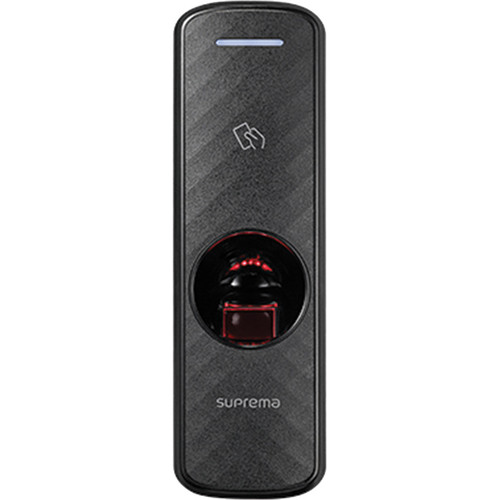
Suprema BioEntry P2
Suprema's compact IP fingerprint terminal - biometric authentication for a single door or lift.
From $1,164.63 (inc. GST) -
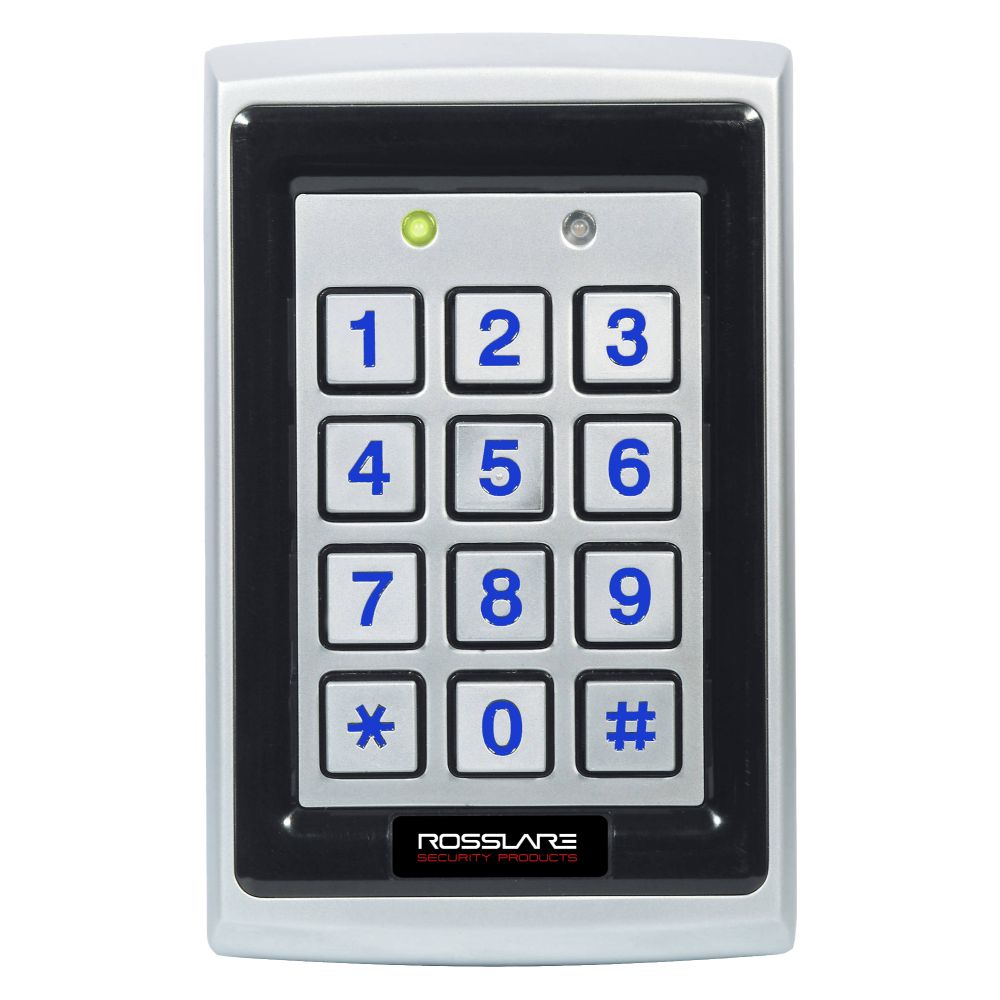
Rosslare AYC-Q64B
Rosslare's anti-vandal backlit reader, combining a PIN keypad with proximity card reading in a single-gang plate.
From $206.94 (inc. GST) -
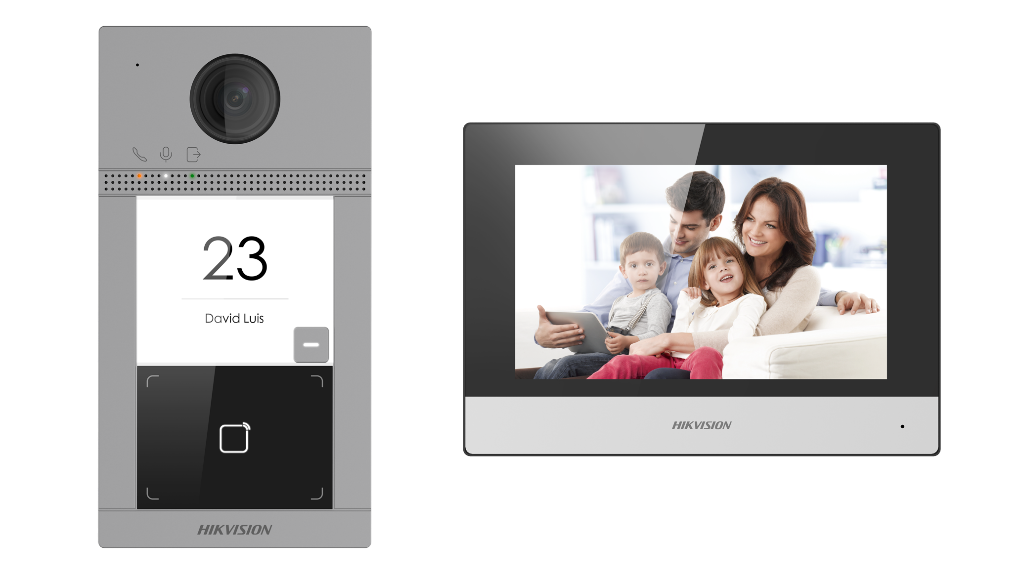
Hikvision DS-KIS604-S (B)
Hikvision's video IP intercom kit - door station and indoor monitor, boxed as a complete two-way video entry system.
From $811.25 (inc. GST) -
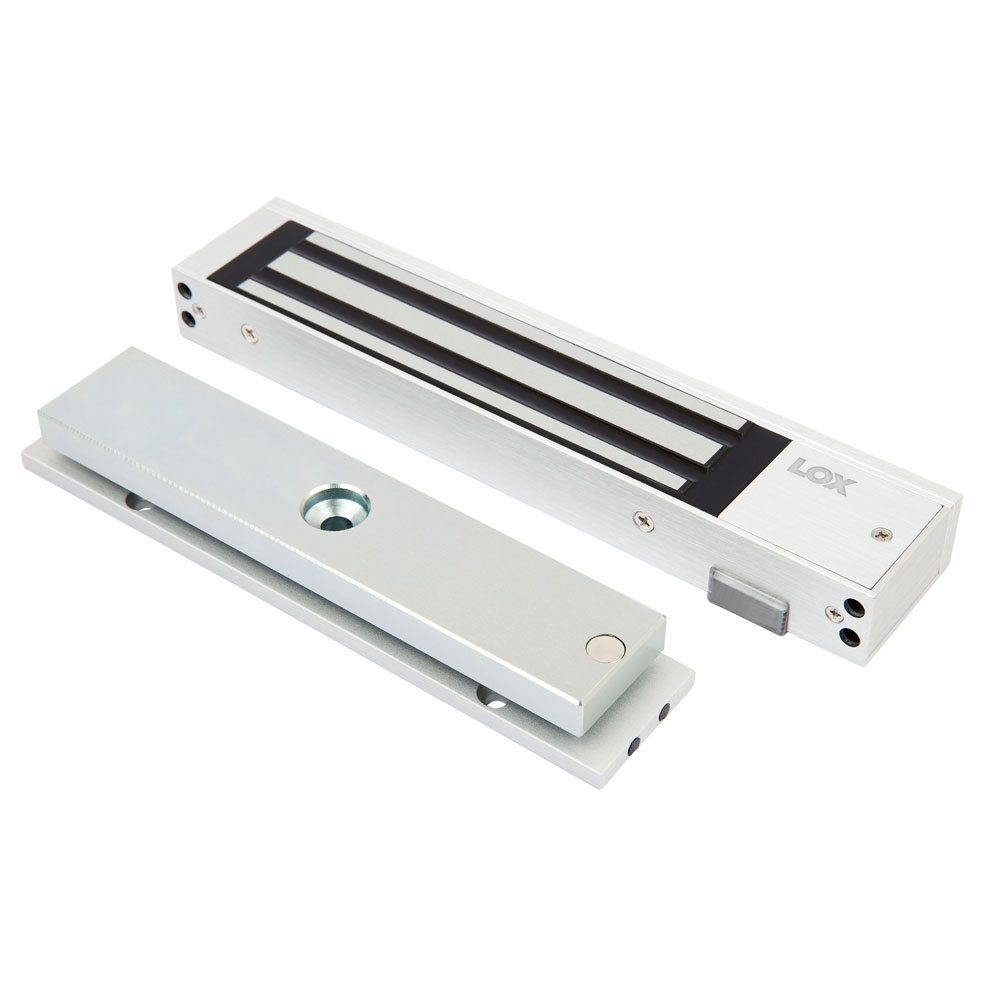
LOX Locking EM3500
LOX Locking's single-door electromagnetic lock, available in monitored and non-monitored versions.
From $172.29 (inc. GST)
Browse Access Control Systems by brand
Select a brand to view available products.

















Choosing the right access control hardware
1. Card and fob access
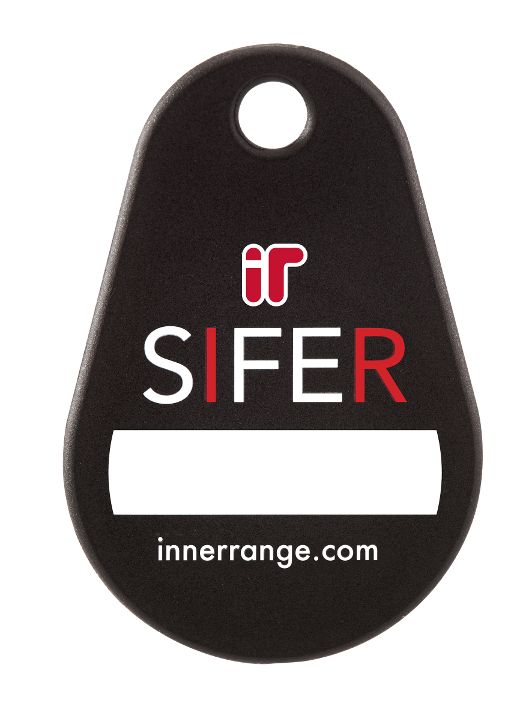
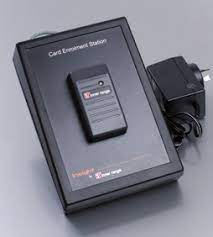
Most sites still run on RFID proximity cards and fobs - a credential presented to a reader wired back to a controller. HID's 125kHz ProxCard II range is the long-standing standard, and higher-frequency iCLASS SE readers and cards add encryption for sites that need it. A card enrollment reader at the front desk is what issues and re-issues credentials without pulling a technician off site work.
2. Biometric and keypad authentication
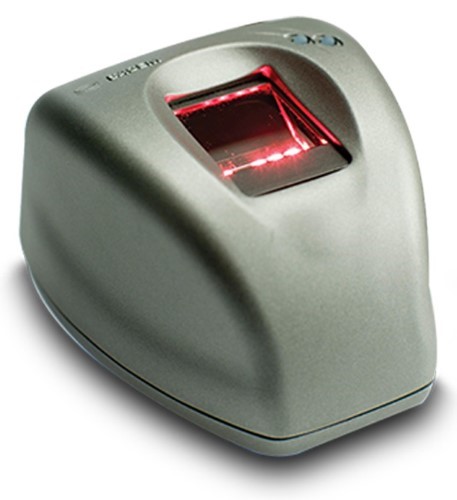
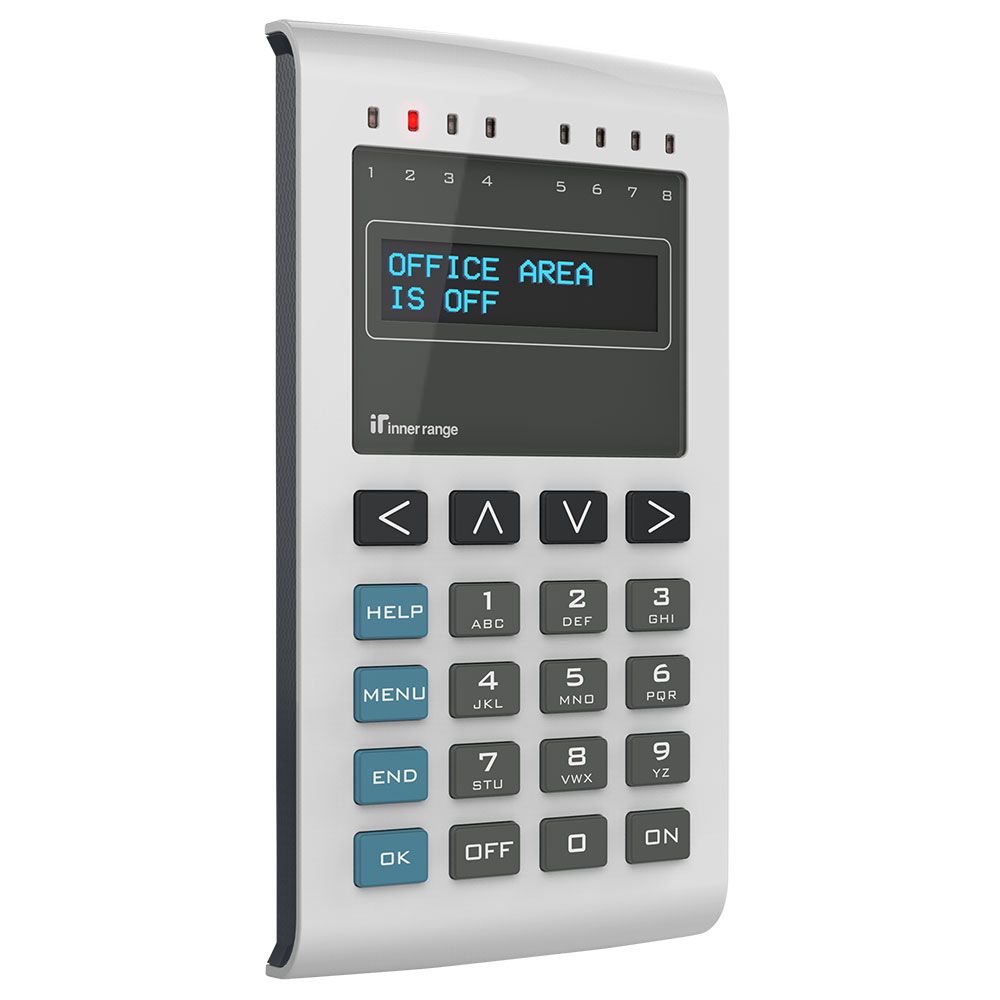
Where a card can be lent or lost, a biometric terminal or a keypad reader ties access to something the person carries in - a fingerprint, or a PIN they hold in their head. Biometric terminals from Suprema and Idemia authenticate by fingerprint or face; keypad readers from Rosslare and Paradox add a PIN on top of - or instead of - a card, which is the usual fallback for a shared door where issuing individual credentials is not practical.
3. Electric locks, strikes and door hardware
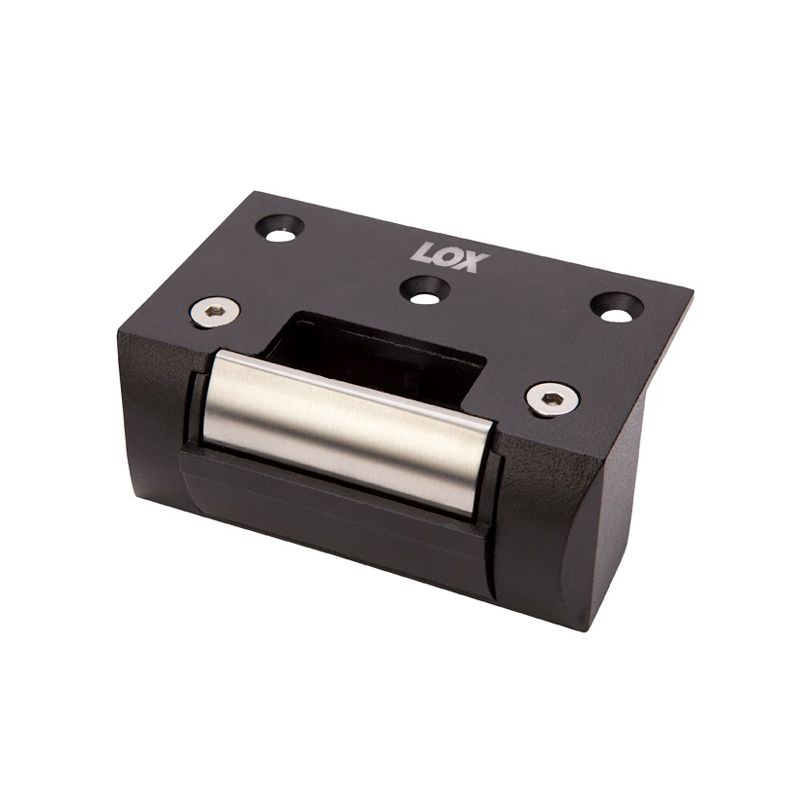
The reader only decides who gets through - something still has to hold the door. Electromagnetic locks and electric strikes from LOX Locking, Lockwood and FSH are graded by holding force and by whether they fail safe (unlocked on power loss, for fire egress) or fail secure. A cylinder or escutcheon lock is the mechanical half of the same door, kept for key override even on an electronic system, and a latch and strike is the lower-cost option for internal doors that do not need monitoring.
4. Door entry and intercoms
A door station and intercom - from Hikvision, Dahua or Axis - lets a visitor call through before a card or code ever comes into it, and the video record is often what a site reviews after an incident. These sit alongside the access control hardware above rather than replacing it, so the door still locks and unlocks the same way once someone is let in.
Frequently asked questions
What's the difference between a proximity card and an iCLASS card?
Proximity (125kHz) cards, like HID's ProxCard II, are read-only and unencrypted - they work with older prox readers. iCLASS (13.56MHz) cards, like HID's iCLASS SE range, support encryption and can carry more than one credential on the same card. The two are not interchangeable: a proximity card will not read on an iCLASS-only reader and vice versa, so check which technology your existing readers use before ordering credentials.
Do I need a biometric reader or is a keypad enough?
A keypad (Rosslare, Paradox) is the lower-cost option and suits doors where a shared PIN is acceptable. A biometric terminal (Suprema, Idemia) ties access to an individual rather than a code that can be shared or forgotten, which matters more for server rooms, pharmacies and other higher-security areas than for a general office door.
What does "fail safe" and "fail secure" mean for an electric lock?
A fail-safe lock unlocks when power is cut, so the door can still be opened for fire egress - this is what most fire and building codes require on an exit path. A fail-secure lock stays locked without power, which suits doors where security matters more than the rare power-loss scenario, such as a server room or cash office. Check which your site needs before ordering, since it is a wiring and hardware decision, not a setting you change later.
Can I add an intercom to an existing access control system?
Yes - a door station and monitor (Hikvision, Dahua, Axis) generally runs alongside your existing card or keypad reader rather than replacing it, since intercoms handle visitor entry while the access control hardware handles credentialed entry. Confirm the intercom's power and wiring requirements against what is already run to the door before ordering.