
Commercial solutions
Fire Systems
Honeywell fire detection panels, detectors, call points and warning systems - specified to your building's classification and Australian standards.
What we supply
- Honeywell fire detection, panel and warning system hardware
- Detectors, call points, sounders and warden intercom phones
- Specified and quoted to your building's classification
Detection, panels and occupant warning
Fire systems differ from the rest of security in one important way: what you install, and who installs it, is governed by standards rather than preference.
Fire Systems by type
Detectors, panels, sounders and call points. Talk to us alongside your fire certifier. See the guide
Fire Systems by brand
Talk to us about the brand and specification you need.

What governs a commercial fire system
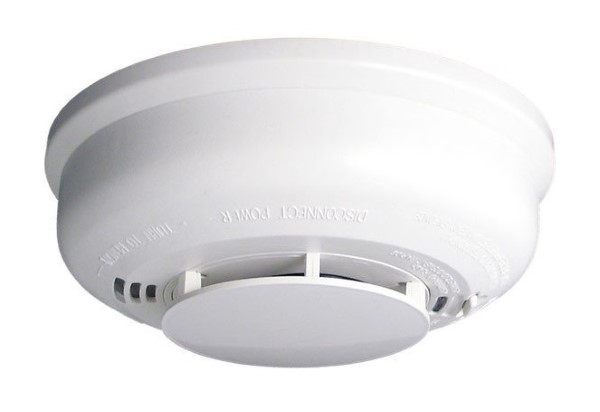
Fire detection and occupant warning in Australian commercial buildings is regulated work. The applicable standards and the certification required depend on the building, its classification and its occupancy, and they determine far more of the design than product choice does. If you are specifying a system, that conversation comes first - with your fire engineer, certifier or the relevant authority - and the equipment follows from it.Detector choice is driven by the environment rather than by preference. Smoke detectors are unsuitable in areas with dust, steam or vehicle exhaust, where they generate false alarms that eventually get the system ignored or isolated. Heat detectors suit kitchens, plant rooms and loading docks for that reason, at the cost of responding later. Multi-criteria detectors exist to reduce that trade-off in mixed environments.
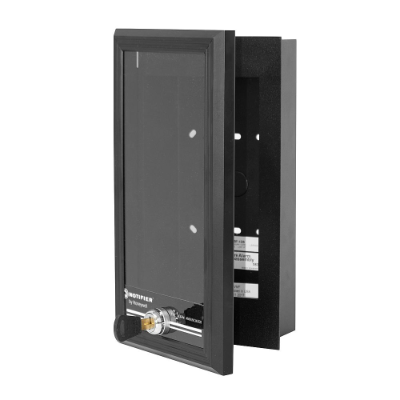
The panel is the part that outlives everything else, so capacity and serviceability matter more than features. Zone or loop capacity should have room for the building as it will be, and spares and support should be available for as long as the building will use it. A panel that cannot be serviced is a building-wide replacement rather than a repair.
Fire systems also need to be tested and maintained on a schedule, and records kept. That obligation continues for the life of the building, which is worth budgeting for at the point of purchase rather than discovering later.
Questions we are asked about Fire Systems
Can anyone install a fire detection system?
No. Fire detection and occupant warning in commercial buildings is regulated work, and what is required depends on the building, its classification and its occupancy. That conversation belongs with your fire engineer, certifier or the relevant authority before any equipment is chosen.
Why do we get false alarms from smoke detectors?
Usually because the detector type does not suit the environment. Smoke detectors respond to dust, steam and vehicle exhaust as well as smoke, which is why kitchens, plant rooms and loading docks normally use heat or multi-criteria detectors instead.
Does a fire system need ongoing maintenance?
Yes, on a schedule, with records kept, for the life of the building. It is worth budgeting for at the point of purchase rather than discovering afterwards, and it is one of the reasons panel serviceability matters more than features.