Readers, controllers and credentials
Access control is one of the few security systems with a legal dimension: whatever you install has to let people out in a fire, whatever else it does.
Access Control categories
Readers, controllers, locks and credentials. Tell us the doors and we will work back from there. See the guide
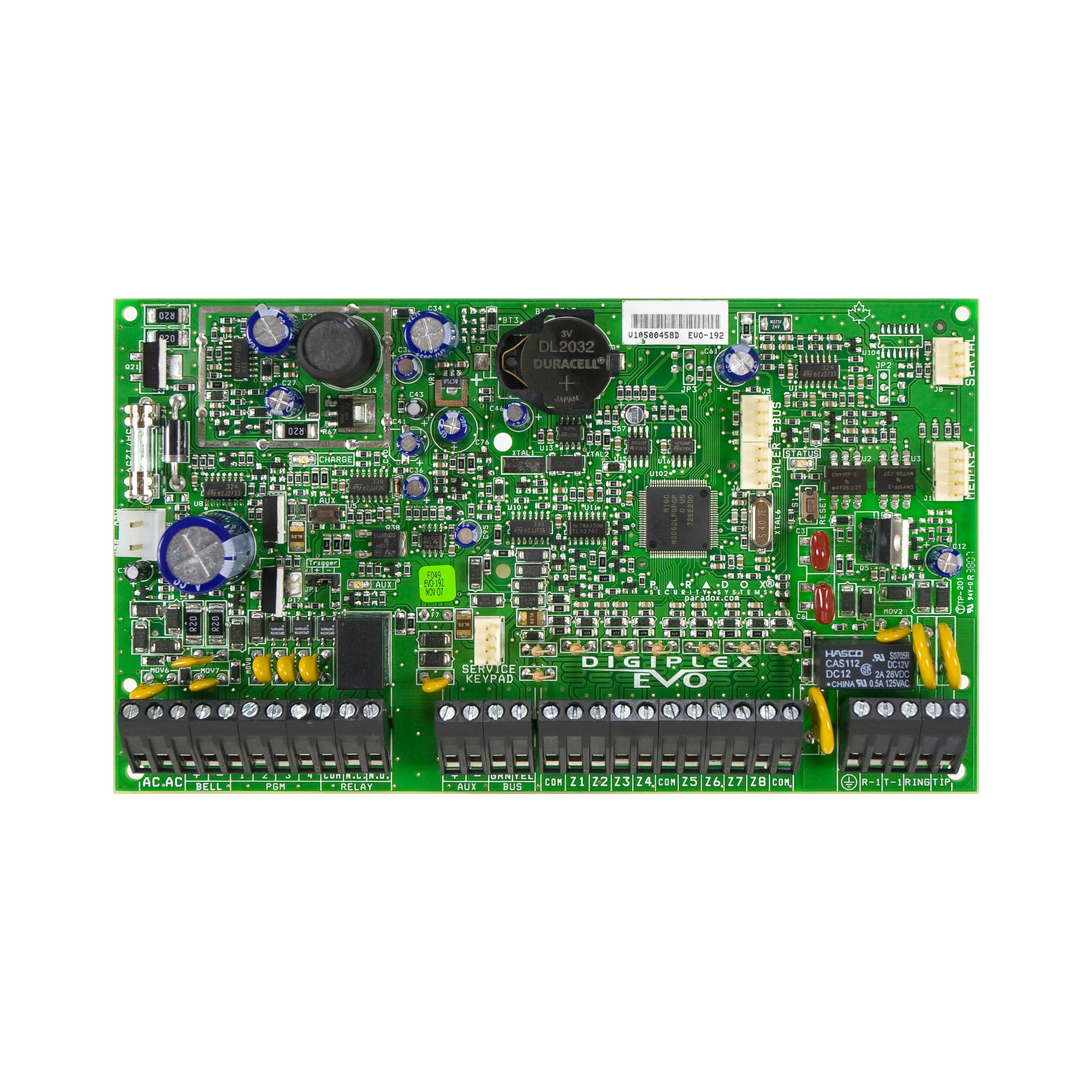
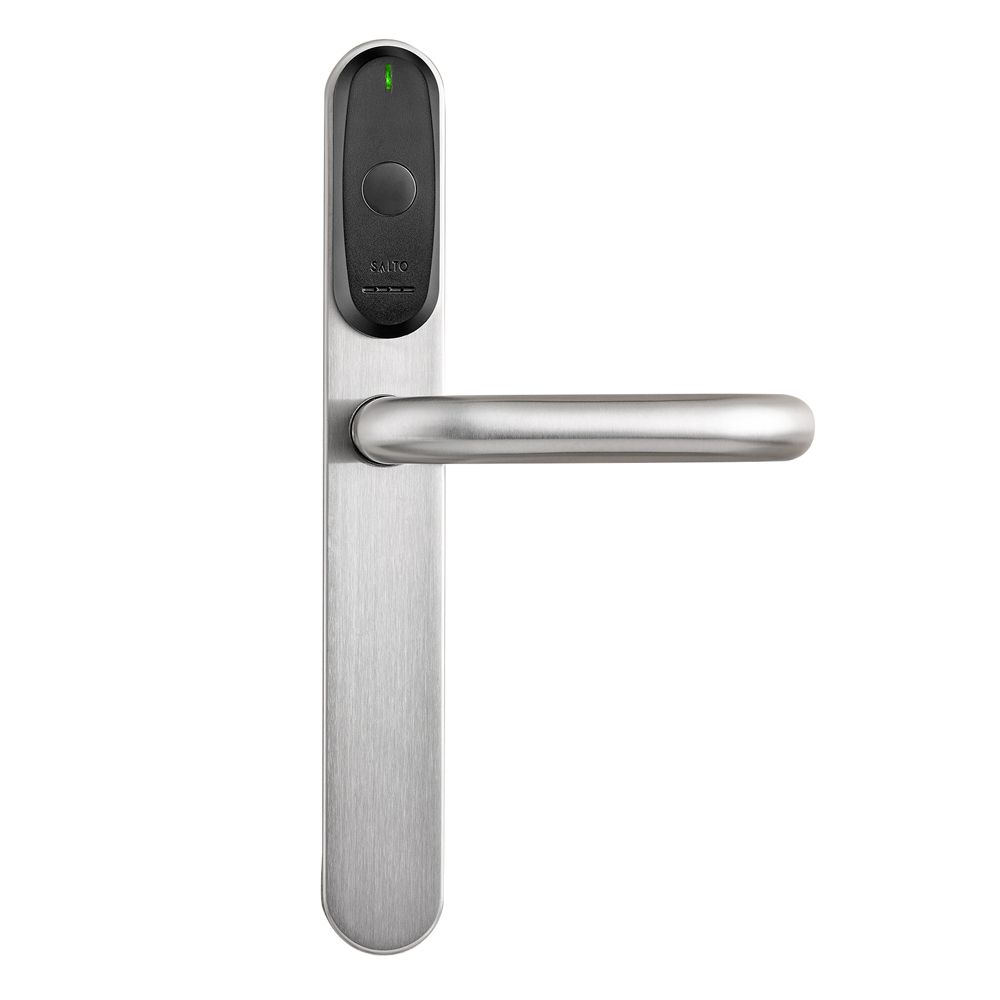
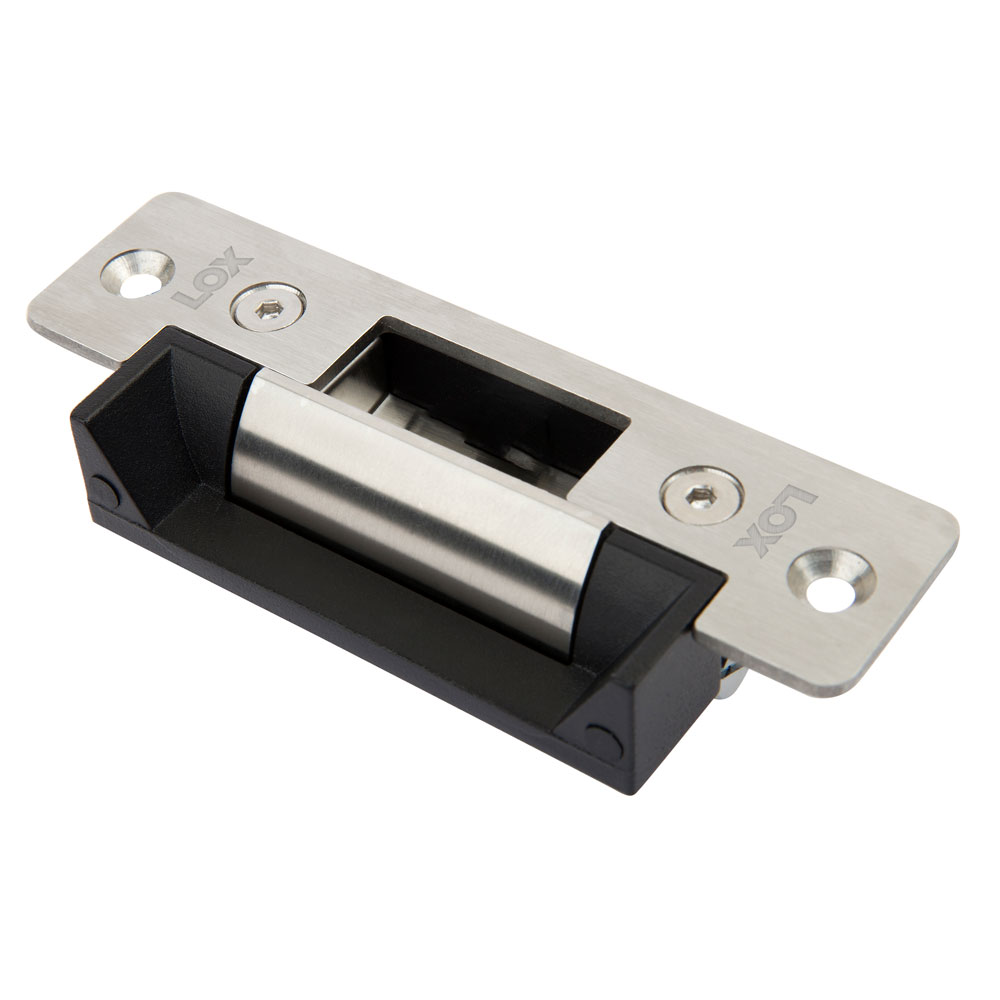



Browse Access Control by brand
Select a brand to view available products.

















What to settle before choosing hardware
Fail-safe or fail-secure is the decision to make first, and it is made per door rather than per site. A fail-safe lock releases when power is lost, which is what egress routes require. A fail-secure lock stays locked, which is what you want on a server room or a store of controlled goods. Getting this backwards is not a preference; it is a compliance problem and a safety one.Credentials are the next decision and the one that ages fastest. Older 125kHz proximity cards can be cloned with equipment costing very little, so for anything protecting real value, encrypted smart credentials are the current baseline. Mobile credentials remove the plastic entirely and make issuing and revoking access immediate, which matters most where staff turnover is high or contractors come and go.
Controller capacity is worth checking against where you expect to be, not where you are. Door count, reader count and cardholder limits are all separate ceilings, and hitting one of them usually means replacing the controller rather than expanding it.
The audit trail is the part people value later. Knowing who opened which door and when is often the reason the system pays for itself, and it depends on the controller keeping accurate time and retaining events for long enough to be useful.
Questions we are asked about Access Control
What is the difference between fail-safe and fail-secure?
What the lock does when power is lost. Fail-safe releases, which is what fire egress routes require. Fail-secure stays locked, which is what you want on a server room or a store of controlled goods. It is decided per door rather than per site, and getting it backwards is a safety and compliance problem.
Can our access cards be copied?
Older 125kHz proximity cards can be cloned with equipment costing very little, and that covers a lot of systems still in service. Encrypted smart credentials are the current baseline for anything protecting real value, and mobile credentials remove the plastic entirely.
Can access control work with our cameras and alarm?
Yes, and it is usually where the value is. Tying a door event to the camera covering that door turns two systems into one investigation and removes the step where somebody matches timestamps by hand. It is worth raising before installation, because it influences what you buy.
What happens when someone leaves?
Their credential is revoked centrally and stops working immediately, which is the main advantage over keys - no lock changes and no wondering how many copies exist. It is also why the audit trail matters: you can show who had access to what, and when.